Tuesday, 30 July 2013
9 Engine oil myths that are urban legends.
 11:02 |
  Posted by
Habot |
Posted by
Habot |


Engine oil myths that could cost you money.

How many times have you heard someone slating an oil as “inferior” because it discolours? Well although the theory is sound in certain cases, this is an engine oil myth.
A little knowledge isn't necessarily a dangerous thing, but a little knowledge that doesn't happen to be true could quite possibly ruin your engine, or at least cost you a lot of unnecessary expense.
Here are the 10 engine oil myths that have become urban legends.
Engine oil myth No1: Oil must be changed every 5,000km’s
Many years ago, most auto manufacturer recommended motor oil in be changed every Labels:

Wednesday, 24 July 2013
Sensors can extend engine oil change intervals.
Modern generation sensors can extend engine oil change intervals significantly.

Typically, prescribed engine oil change intervals are 15,000Km for petrol engines and 10,000 (In some cases even 5,000Km) for
Thursday, 18 July 2013
The best bearing lubrication.
The best bearing lubrication practices to prevent premature failures.

Often the best bearing lubrication is difficult to accomplish. This may be due to operating environment or even the design and construction of the equipment. Therefore for the best bearing lubrication it’s advisable to fully understand what constitutes good bearing lubrication.
What is the best bearing lubricating oil?
Straight mineral or synthetic oils are generally favoured for rolling bearingTuesday, 11 June 2013
How to change engine oil.
Some insights into how to change engine oil.
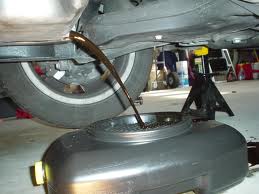
Over the past decade, gasoline-refining technology has decreased combustion pollutants, helping to reduce engine oil contaminants. Additives increase the ability of the engine oil to maintain adequate lubrication quality even when contaminated.
As technology advances, the time between oil changes is lengthened. As a result, perhaps
Wednesday, 5 June 2013
Why choose synthetic oil over regular mineral oil?
With synthetic oil more expensive, why choose synthetic oil over regular mineral oil?

They are cost-effective and provide a reasonable service life when used properly but have limitations, depending upon the type and level of additives blended, and the operating
Monday, 27 May 2013
How Do Greases Differ?
Ever wondered how greases differ – why is wheel bearing grease different to multi purpose?

What gives different greases their charachteristics?
Greases are primarily classified by their thickeners, the most commonTuesday, 21 May 2013
What do API Classifications for Automotive Gear Oils mean?
Understanding the API classifications for automotive gear oils.

The American Petroleum Institute (API) service designations are based on the type of service in which components will be used. The designations are utilized by manufacturers to select lubricants for particular gear types and operating conditions.
No attempt is made by the API classification system to
Subscribe to:
Posts (Atom)